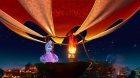
Loni Peristere discusses how he and three other partners created a new effects studio for television, which now works on such hits as Firefly and Buffy the Vampire Slayer.

It is an exceptional time in the effects industry. Software and hardware have come down in price and complexity, allowing the traditional artist and filmmaker to come into the once-foreign computer side of the business: sculptors have become 3D modelers; painters and architects have become 3D environmental specialists; directors of photography and gaffers have become lighting TDs; stuntmen have become motion-capture subjects; and directors direct animated scenes that look as realistic as the ones they once captured with an Arri 2. With a broader talent pool and more intuitive programming, we are stronger and more capable than ever to create unique imagery without the interruptions of buggy programs. And any bugs that remain are being worked out by a digital consortium of Jedi masters, who have trained today’s senior artists and developed the user-friendly software we non-mathematicians can understand and work with.
The Time Is Now
Zoic was formed because a group of people saw an opportunity to further a model for visual effects production, which is heavily reliant upon partnership, where visual effects are done in pre-production, making the post process the finishing process it was intended to be. As our primary projects tend to be short turn around (commercials, episodic TV), this model might seem unattainable, but we insist on it. This early communication and design allows for a clear creative process, rather than a reactive “fixer upper.” Our resume stands tall over five previous companies because of this model. With each move, we have carried our projects and relationships along with new partners to the next, with Zoic being the last stop -- our stop.
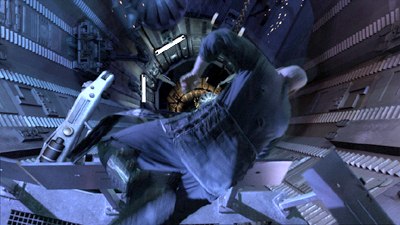
In July of 2002, Chris Jones, Andrew Orloff, Steve Schofield and I found ourselves in a distinctive situation. We had left our previous employers, and yet had the direct responsibility for producing the visual effects for four network television series, which had begun production: Angel, Buffy the Vampire Slayer, Firefly and Miracles. We could move once again to another company, or launch a company of our own with the artists we had trained and love. The new company idea had crossed our minds before, but the costs for a start-up seemed unattainable without a significant up-front investment. But we were lucky, as the software we were buying from Alias, Discreet Logic and Newtek had come down significantly in price over the years. A license, which had cost tens of thousands of dollars, was now a fraction of the cost. As were our start-up costs. Our quick budget on a new studio for 35 people was under a million dollars -- way under if we kept our compositing on the desktop for episodic production. Thankfully the new versions of Adobe After Effects and Discreet’s combustion were also 10 times as powerful as they had been in years past, and Andrew Orloff (3D supervisor) and Chris Jones (compositing supervisor) felt confident that they could achieve the same level of quality on the desktop that they had achieved in the past on Discreet’s Inferno or Flame. We also knew if we purchased only what was necessary, we could save our pennies for the bigger ticket items and infrastructure in the coming months. So we began small and grew fast.


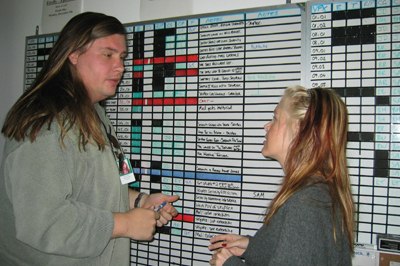
Lower software licenses made the start up of Zoic easier. At left, partners Andrew Orloff (left) and Loni Peristere confer. Other founding partners are Steve Schofield (far right) and Chris Jones (not pictured).

The Tough Start
More important than any machine or method is artistic talent. Projects just dont sing without strong creatives behind them and Zoic would not fly without a remarkable talent pool. To our advantage, we had a proven reputation and solid high profile contracts. Our reputation and methods for production made the recruiting process easier than it would be if we were starting from scratch. We didnt have to sell ourselves to creative partners or talent; we were allowed to be selective and cautious as good talent and contracts follow good talent and contracts. The first pass for us in recruiting was easy as many of the lead artists we wanted for the series had worked with us across various effects houses and projects. We called on them as partners in a process and looked for their guidance and assistance to fill out the roster. Rocco Passionino, Emile Edwin Smith and Kristen Brannan had run Firefly for the pilot, which went flawlessly. Mike Leone and David Funston had run Buffy and Angel for Andrew Orloff. The second round of recruiting stemmed from the first and we are still immersed in a very selective third round.
Once crewed up and networked, we began daily operations in temporary space. Where many episodic effects teams wait on production, we began in advance, using storyboards to create animatics, using the animatics as a shooting draft and key, finishing elements, and finally getting into post for tracking, lighting and compositing with live plates. The temp space was the most challenging part of the start-up. Our network was often unstable, the 2D and 3D renders had to be done locally, and when the rental render farm finally came up for final elements, we had to once again work through the myriad of issues with buggy temp render controllers and bad IDE drives. We had to go through this process without the luxury of historic back up and band-aids, which tend to accumulate over the years at any effects company. These issues cost us time and money. Again, we were fortunate enough to have strong talent and support to create and fix on the fly. Our system administrator worked day and night to pitch and patch our way into successful production, while our artists worked around the seemingly unforeseeable obstacles associated with all new equipment, which was faster than ever but very temperamental. Meanwhile, we were building our permanent infrastructure with care and consideration off-site. This is a continuous process as you can always do better over time.


Zoic's permanent facilities boast state of the art technology. Left is the reception area and on the right, an employee takes a break in the kitchen and relaxation area.
Bringing It All Together
The permanent facility was built with our freedom of art model in mind, which meant resolution independence, flexibility and speed. Due to cost reductions, we could afford to build bigger, faster and stronger than any of us had imagined. Today we have a 100 proc render farm, two terabytes of network storage, 25 CG workstations, six Combustion compositing stations and one HD Flame. The Flame is our luxury extravagance and is used for the real-time video assemblies and audio laybacks we have to do while supervised by our advertising agency and commercial production clients. It is an indulgence, which may not be necessary for the next generation of effects companies, but is today. This complete infrastructure, accompanied by a custom shot-tracking system, is a growing testament to the requirements for rapid turn around. It allows the visual effects teams to focus on their shot and its importance to the story being told, rather than the shoe leather which often accompanies setting up a shot and getting it to the next level. These tasks are automated.
Finally, we have also spent a good deal of time training and recruiting a staff that is well-rounded. Although each individual has specific strengths, they can all produce a shot on their own at their computer. They have and do author unique work. This ownership of a shot gives them pride in their work and confidence to do more. They may not always do it all, but they can, which provides early versions of heavily layered shots that are composited. These pre-comps allow us to make decisions early, which may have been held back until late in the game in the past. These decisions allow us to produce better work, which gives our creative partners the encouragement to do more.
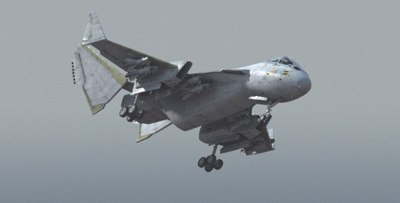
We are excited about the work being produced at Zoic. In six months, we have already done a myriad of projects and styles. We use digital doubles for stunts, CG people for backgrounds we cannot afford in production, 3D set extensions when we run out of ceilings or different looking buildings on the backlot, and recreate entire live-action scenes, which might have been missed in production due to a heavy schedule. In the near future, we will have entirely photo-real day and nighttime environments, with which we can enhance or create whole scenes. This isnt unique, except for the fact that we do it in episodic time, in six weeks instead of six months!
Loni Peristere is visual effects supervisor on the new Fox television series, Firefly, and as well as on Buffy the Vampire Slayer and Angel. Peristere is creative director at the new visual effects company Zoic, after previously serving at Radium, POP and Digital Magic, where he worked on both episodic television programs and major commercial campaigns.